Monsoon in Mahabaleshwar: What It's Actually Like and Whether You Should Go
Mahabaleshwar receives over 6,000 mm of rain annually — one of the highest in India. Monsoon here is not a minor weather event. This guide covers what the hill station is actually like from June through September, which experiences work, which don't, and who the monsoon season is genuinely for.
About the author
Dev Malhotra
Travel editor
Helps shape the main planning guides and keeps the villa recommendations practical.
Quick take
This guide is written for travelers planning a Mahabaleshwar trip around villas, food, viewpoints, and seasonal timing. Use the table of contents to jump between the sections that matter most.
Mahabaleshwar receives more annual rainfall than almost anywhere else in Maharashtra. The official figure varies by year but consistently exceeds 6,000 mm — for comparison, Mumbai receives around 2,200 mm in an average year. The monsoon here is not a background weather condition. It is an event that runs from mid-June through mid-September, closing significant parts of the hill station, transforming others completely, and producing a landscape that has very little in common with the version you see in the tourist photographs taken in October or February.
Whether you should visit during monsoon depends entirely on what you are there for. This guide is for people who want an honest account rather than a promotional one.
What Mahabaleshwar Is Like in Monsoon: The Honest Picture
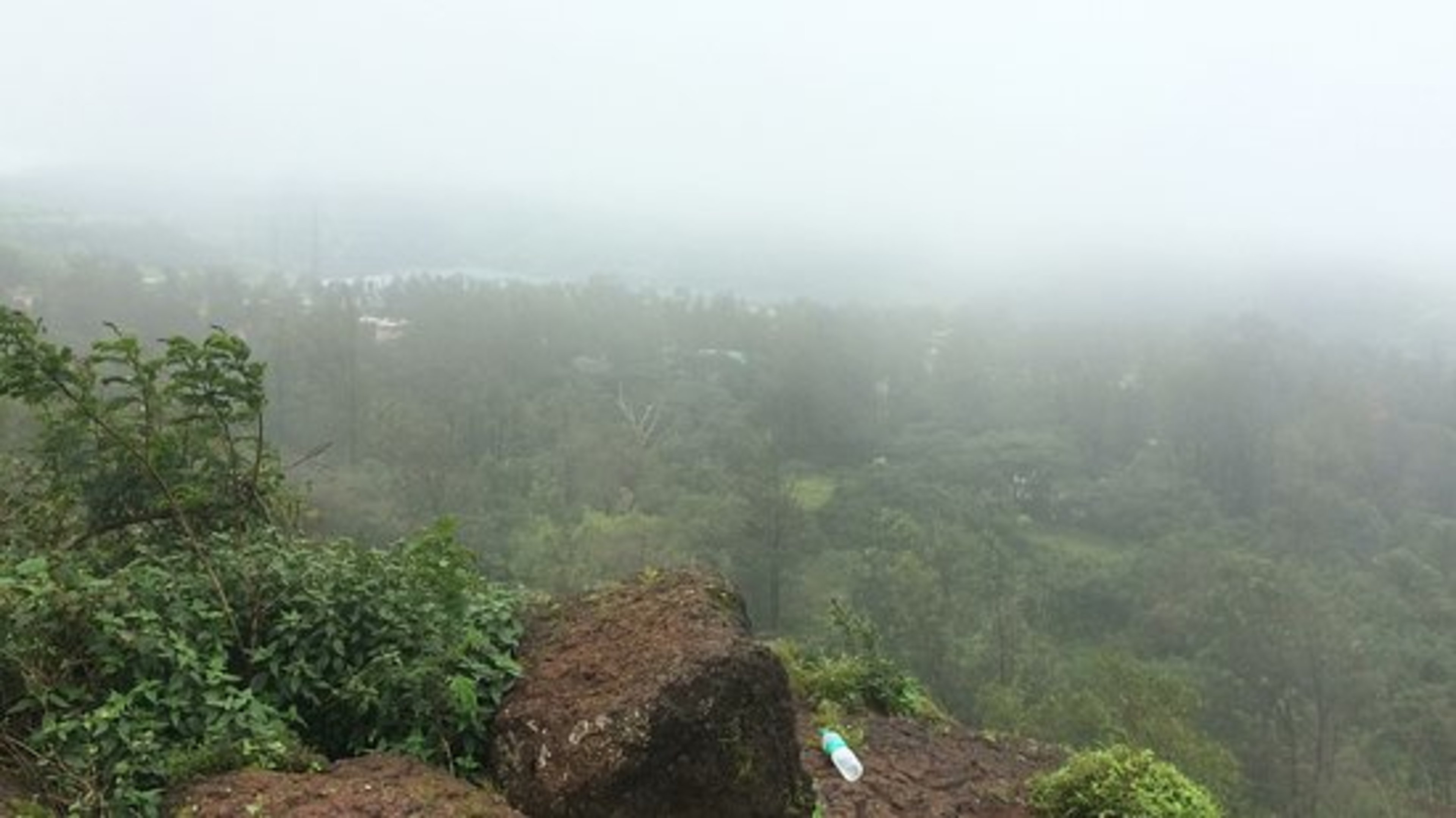
By mid-June, the first monsoon bands reach the Western Ghats and the Mahabaleshwar plateau receives rainfall that, in peak season, can last multiple consecutive days without meaningful break. The fog does not behave the way post-monsoon or winter fog does — it is not a valley phenomenon that you observe from above. The entire plateau goes into cloud. Visibility drops. The roads are wet and occasionally slippery. The famous viewpoints — Wilson Point, Arthur's Seat, Kate's Point, Bombay Point — are frequently obscured by cloud cover, sometimes entirely so.
This is not a failure of the experience. It is a different experience entirely. The question is whether the different experience is what you came for.
What Closes and What Opens
Several viewpoints close during monsoon due to slippery approach paths and safety concerns. The municipal tourism board typically restricts access to Arthur's Seat and some of the more exposed cliff-edge points from July through August. Check current status with your villa caretaker before planning sightseeing.
Pratapgad Fort remains accessible but the 500-step climb becomes genuinely treacherous when wet. People do it — the fort is not closed — but footwear with grip is non-negotiable and the descent is slow.
Venna Lake boating continues but is weather-dependent. On heavy rain days, operations stop. On lighter rain days or breaks between showers, the lake in monsoon light is one of the more beautiful versions of itself.
Mapro Garden stays open through monsoon and is less crowded than any other season. The farm looks extraordinary — the strawberry fields lie fallow in preparation for the October planting, but the surrounding garden and rose sections are at their most lush.
The main market operates normally. Vendors adjust to the wet weather, stock shifts slightly toward monsoon produce, and the morning market activity is unchanged.
The Waterfalls: Monsoon's Strongest Argument
The most compelling reason to visit Mahabaleshwar in monsoon is the waterfalls. Lingmala Waterfall — which in December is a thin thread visible from a distance — becomes in August a 600-foot cascade of serious volume, audible from several hundred metres away, generating its own mist cloud at the base. The approach path is wet and slippery and worth taking with proper footwear.
Beyond Lingmala, dozens of smaller falls appear across the plateau edges during monsoon — unnamed rivulets that drop off the cliff line into the Konkan far below, visible from the road on the drive toward Arthur's Seat even when the viewpoint itself is fogged in. These temporary falls exist only for 3–4 months each year and then disappear entirely.
Chinaman's Falls, less visited and a longer walk from the road, is particularly worth seeing in August and September when water flow is at maximum. The surrounding forest at this time of year is a specific shade of saturated green that the post-monsoon and dry-season months do not replicate.
The waterfalls are the primary reason landscape photographers specifically plan monsoon visits. The secondary reason is the light.
Monsoon Light and Photography
Photography in monsoon Mahabaleshwar operates by completely different rules from any other season. The light is not the clear golden-hour light of October mornings. It is diffuse, cool, and filtered through cloud cover in a way that eliminates harsh shadows and produces an evenness that some photographers find limiting and others find specifically useful.
For valley and landscape work: the moments when cloud breaks partially — when a shaft of light comes through a gap in an otherwise overcast sky and strikes a specific section of the valley below — are brief and unpredictable and produce images that no other season can offer. These moments happen several times on most monsoon mornings if you are at an elevated viewpoint with visibility. They require patience.
For green saturation work: the vegetation in monsoon Mahabaleshwar is at its most intensely green. The Sahyadri ranges visible from any elevation have a depth of colour in July and August that photographs with a richness that the drier months do not match. Wide landscape work in this season — particularly in the hour before a rain band comes through, when the light drops and the green deepens further — is excellent.
For atmospheric and fog work: the fog in monsoon is fundamentally different from winter fog. In winter, fog sits in the valley below you as you stand above it. In monsoon, the fog is at your level and above it, and you are inside it. Figures in fog, architecture in mist, forest paths disappearing into cloud — these are monsoon Mahabaleshwar photographs and they are specifically available only in this season.
Our valley views and photography guide covers the technical approach to shooting in different light conditions across all seasons, including monsoon-specific technique.
The Roads: What to Know Before You Drive
The approach roads to Mahabaleshwar — particularly the Wai ghat and the Panchgani road — require more attention during monsoon than in other seasons. The ghat sections have sharp bends on wet road surface and visibility can drop sharply during active rain. Drive significantly slower than the road might suggest in dry conditions.
The road from Pune is generally manageable but slow in heavy rain. Allow 30–60 minutes additional travel time during active monsoon. Check weather updates before departure, particularly if leaving Pune on a Friday evening when the road has the most traffic and the most risk.
Within Mahabaleshwar itself, the roads to viewpoints can become problematic in concentrated rainfall. The road to Wilson Point, being narrow and steep, gets slippery when wet. Local knowledge about current road conditions is valuable — ask your villa caretaker when you arrive and again each morning before heading out.
If you are not comfortable driving in ghat conditions in the rain, hire a local driver. This is not excessive caution. A driver who runs these roads every day during monsoon knows where the problem patches are, what the current surface condition is, and how to read the cloud cover for whether a particular stretch is worth attempting.
What Monsoon Mahabaleshwar Is Good For
Villa Stays with Indoor Time
The most practical reason to rent a private villa during monsoon rather than a hotel room is space. When the rain locks you indoors for several hours, having a living room, a kitchen where the cook can prepare a proper meal, and a verandah where you can sit and watch the rain fall over the valley is a fundamentally different situation from sitting in a hotel room watching it rain outside the window.
Monsoon evenings at a valley-view villa, with the mist moving through the valley below, occasional breaks in the cloud revealing patches of the Sahyadri below, and a bonfire lit inside if the property has a fireplace, are specifically excellent. The season that most people avoid produces, in the right accommodation context, some of the most memorable stays.
Waterfalls and Forest Walks
Lingmala, Chinaman's Falls, and the numerous unnamed falls along the plateau edges are the primary sightseeing activity in monsoon. Pair these with short forest walks — the density of growth and the sound environment in a Western Ghats forest during monsoon (rainfall, bird activity, insects, the particular smell of wet earth and leaves) is unlike any other environment in Maharashtra and worth experiencing regardless of how many photographs you take.
Peaceful Town Experience
Mahabaleshwar in peak season (December through February, April-May) is genuinely crowded. The main market is difficult to move through on weekend afternoons. The viewpoints have queues. Mapro Garden on a Saturday in January is a different place from Mapro Garden on a Wednesday in August.
For people who want to see the hill station without the hill station being primarily about its visitors, monsoon is the correct season. The restaurants are quieter, the market vendors are more unhurried, and the town operates at a pace closer to its own than to the one imposed by peak tourist traffic.
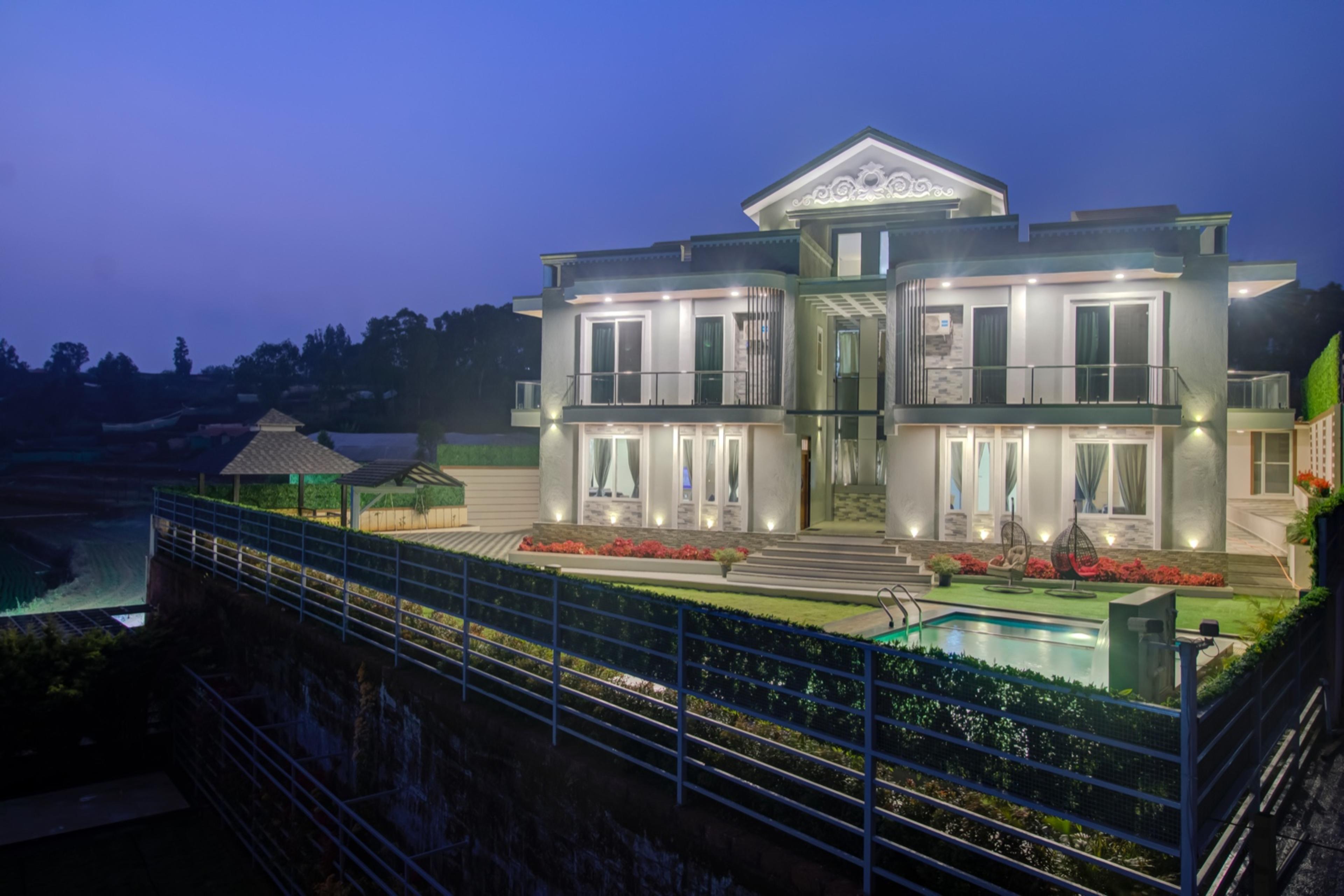
Monsoon stays in a private villa near the plateau viewpoints give you the rain, the mist, the bonfires, and the valley atmosphere without the peak season crowds. Browse valley-view villas on Mahabaleshwar Villa Stays that have verandahs and enclosed garden areas — the details that make a monsoon stay genuinely comfortable.
What Monsoon Mahabaleshwar Is Not Good For
Viewpoint sightseeing on a schedule. If your list includes Wilson Point, Arthur's Seat, Kate's Point, and Bombay Point in a two-day window, monsoon is not the right time. The probability of arriving at multiple viewpoints during clear conditions, across a two-day window in July or August, is not high. Some days you will get lucky. Many days you will not.
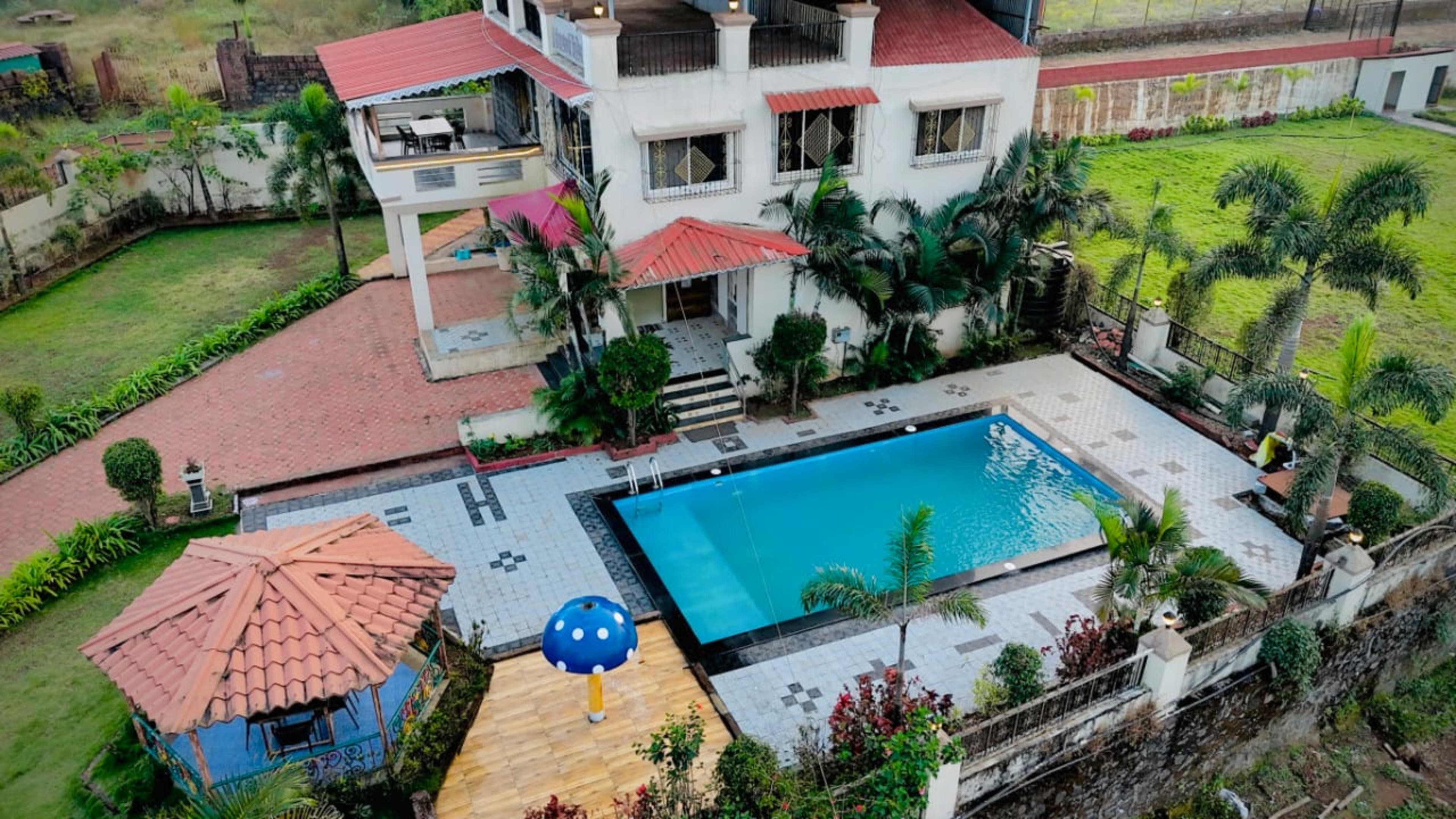
Families with young children who want pool-and-garden villa time. Many villas close their pools during monsoon or reduce maintenance significantly. The outdoor spaces that make a villa stay excellent — lawns, gardens, pool terraces — are limited by continuous wet weather. A monsoon stay is more about indoor comfort and atmosphere than outdoor leisure.
First-time visitors with limited time. If you have three days to see Mahabaleshwar for the first time and want the complete picture — viewpoints, Mapro Garden in full operation, Venna Lake on a clear day, the market in good weather — do not plan your first visit in monsoon. Come in October, November, or February. Return in monsoon when you know what the place looks like in its other forms.
Strawberry season. The farms are fallow, Mapro Garden's fresh fruit supply is at minimum, and the cream-and-strawberry experience that defines Mahabaleshwar's food identity is not available. This alone is not a reason to avoid monsoon but it is a meaningful absence.
Monsoon Checklist: What to Bring
A waterproof jacket that can sustain sustained rainfall, not a light windbreaker. If you are planning waterfalls visits, proper rain gear is worth packing.
Waterproof footwear or quick-dry shoes with grip. Slippery paths at viewpoints and wet approach trails to waterfalls are the main hazard. Avoid smooth-soled footwear.
An extra bag for wet items. A day of light rain leaves everything damp in ways that contaminate dry clothing if packed together on the return.
Offline maps downloaded before departure. Mobile signal can be patchy during heavy rain in some areas of the plateau, and road navigation in unfamiliar ghat conditions without connectivity is not comfortable.
A patience for weather variability that is not built into most holiday planning. Monsoon Mahabaleshwar operates on its own schedule. Building flexibility into each day — not committing to specific viewpoints at specific times — is the practical approach.
The Waterfall Season: Specific Timing Within Monsoon
The monsoon does not deliver uniform conditions across June through September. The pattern typically runs:
June: The first monsoon reaches the plateau. Rain is establishing, waterfalls beginning to build, roads wet but not at maximum difficulty. A reasonable window for those who want some monsoon atmosphere without the full July-August intensity.
July–August: Peak rainfall. The waterfalls are at their most powerful in this window. Lingmala in late July or August is the definitive version of that waterfall. Road conditions require the most care. Visibility at viewpoints is most consistently low. The forest is at its densest green.
September: The monsoon begins to ease. Waterfalls remain strong in early September but begin tapering by mid-to-late month. Visibility at viewpoints improves. Road conditions ease. Some consider late September the best monsoon window — the worst of the rain has passed, the green is at its richest (peak growth has happened), and the weather is transitioning toward October's clarity.
If you're planning a monsoon trip and want a villa with indoor spaces, a covered verandah, and good caretaker support for weather-adjusted planning, browse available properties on Mahabaleshwar Villa Stays. Filter for valley-view properties with enclosed or covered outdoor spaces for the most practical monsoon stay.
Need a villa base for this trip?
The best travel blogs work when they point to a real booking decision. If this article helped you plan the route, match it with the right villa category before you finalize dates.