Mahabaleshwar Complete Travel Guide: The Perfect 2 to 3 Day Itinerary for First-Time Visitors
A complete 2 to 3 day Mahabaleshwar itinerary covering Wilson Point sunrise, Old Mahabaleshwar temples, Pratapgad Fort, Mapro Garden, Venna Lake, Panchgani, local foods, hidden experiences, and practical travel tips from people who truly know the hill station.
About the author
Ravi Desai
Travel editor
Edits the longer guides and helps keep the Mahabaleshwar content useful and readable.
Quick take
This guide is written for travelers planning a Mahabaleshwar trip around villas, food, viewpoints, and seasonal timing. Use the table of contents to jump between the sections that matter most.
There is a version of Mahabaleshwar that exists inside most people's heads before they visit — strawberry cream, misty viewpoints, a cable car they always confuse with some other hill station, maybe a vague memory of a school trip. That version is real, but it is also only a fraction of the place. The hill station rewards people who slow down enough to let it reveal the rest.
Most Mahabaleshwar itineraries fail at a very specific point: they are written as checklists. Fourteen viewpoints, Mapro Garden at noon on a Saturday, Pratapgad as a two-hour stop on the way somewhere else. The result is a trip that technically covered Mahabaleshwar but didn't actually experience it. The viewpoints were crowded, the photos look like everyone else's, and the food was whatever the nearest restaurant had.
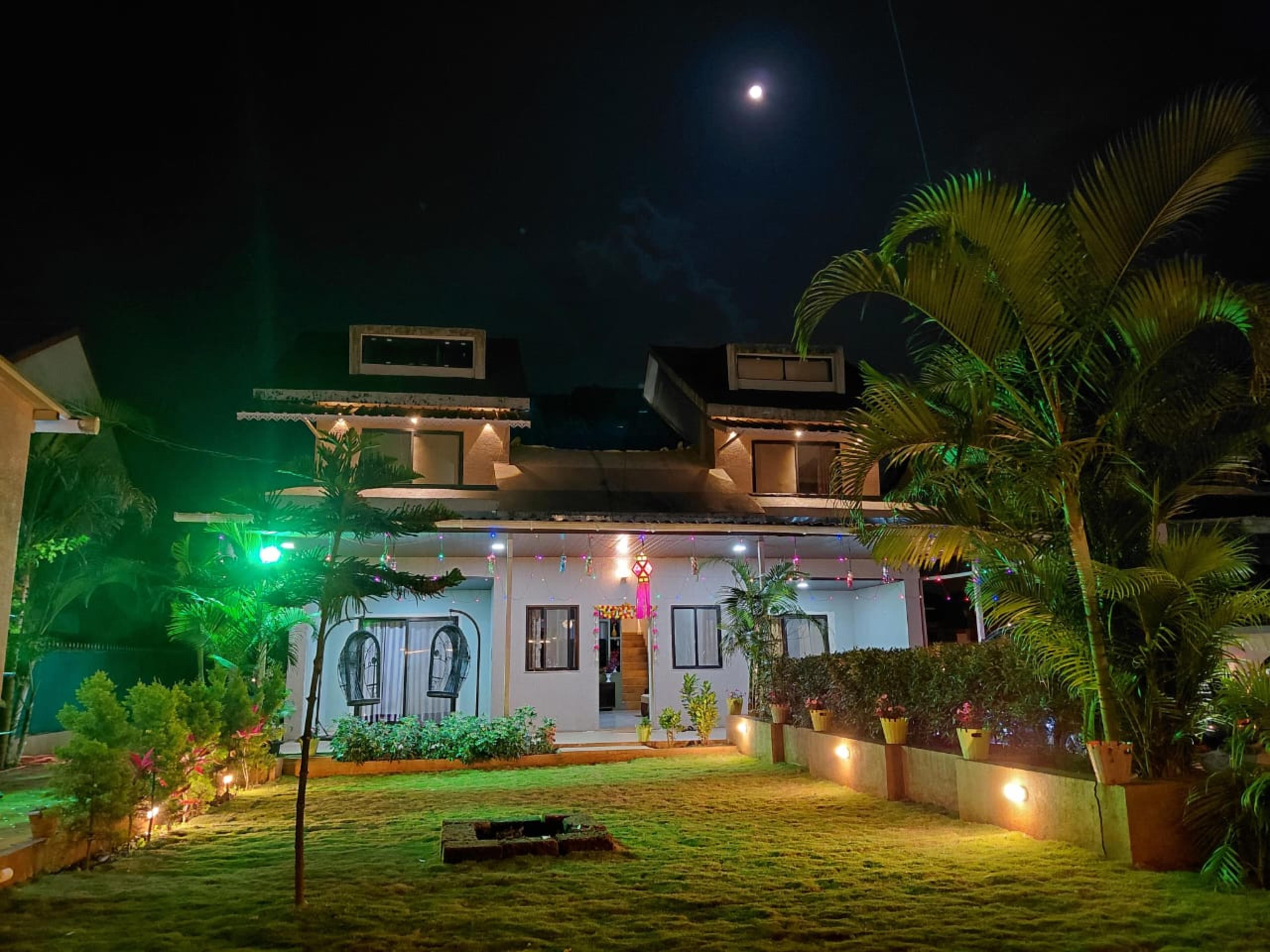
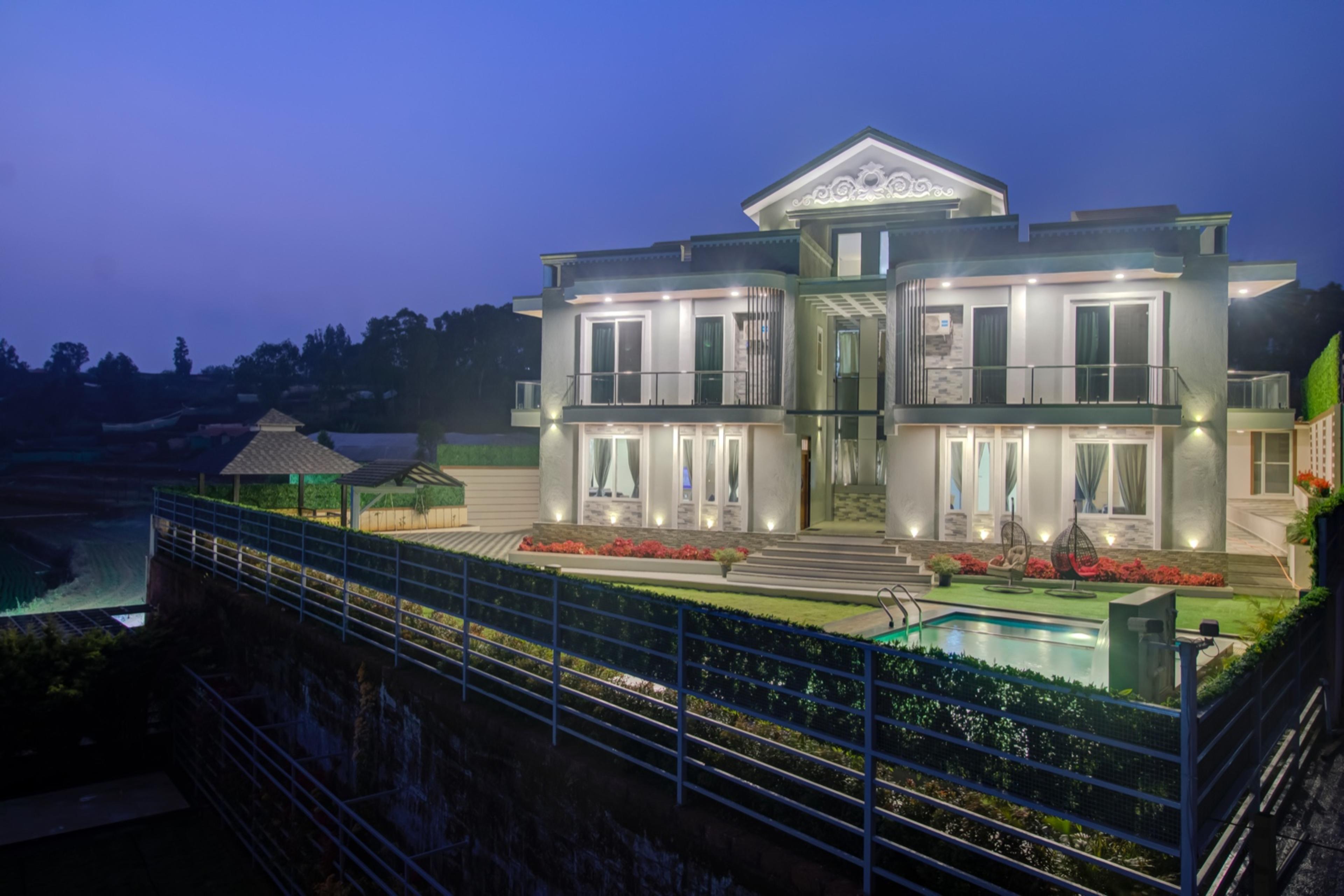
The better approach — and the one this guide is built around — is to structure your Mahabaleshwar travel plan around a few deeply visited places each day, leave room for the unexpected, and be based out of a private villa so that coming back in the evening is itself something to look forward to. A villa gives you a kitchen, a pool, a terrace with valley views, a caretaker who knows the local rhythms, and the freedom to leave at 5 AM without disturbing anyone on the floor above you.
This is the Mahabaleshwar complete travel guide that the first-time visitor actually needs — the timings that hold, the food that's worth eating, the moments that most people miss, and the sequence that makes the whole thing work.
Why Slow Travel Is the Only Way to Do Mahabaleshwar
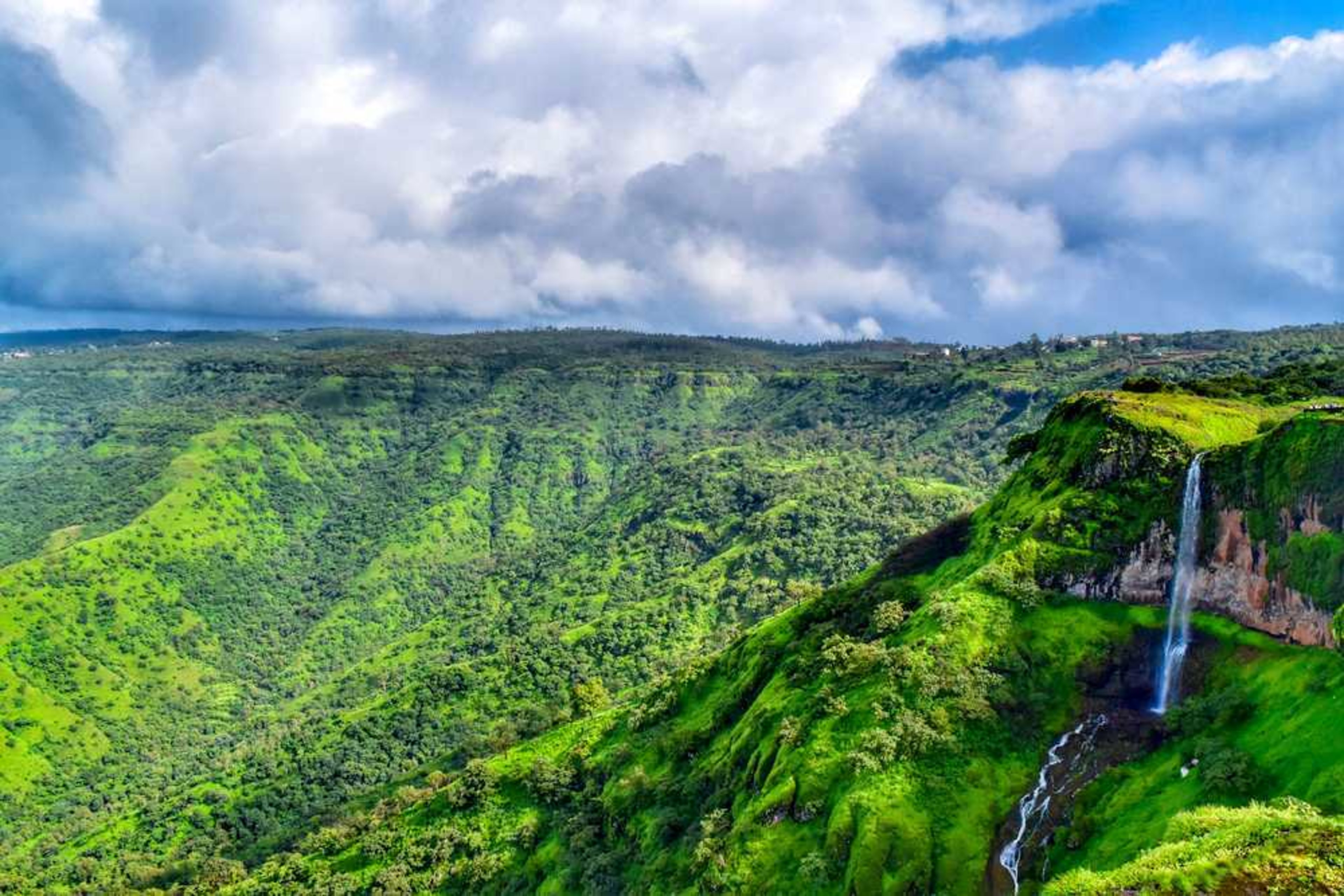
Mahabaleshwar sits at 1,350 metres above sea level on a plateau of the Western Ghats. The plateau is roughly 6 kilometres by 5 kilometres at its widest. Everything — the viewpoints, the temples, Mapro Garden, Venna Lake, the market — is within 15 minutes of each other. The geography makes it easy to rush.
Don't rush.
The hill station operates on a rhythm that rewards the unhurried. The fog at Wilson Point is gone by 8 AM. The quiet at the Panchganga Temple only exists before 10 AM. The best malai gola cart near Venna Lake runs out of thick cream by afternoon. Nana's Chana in Old Mahabaleshwar sells out before 11. These things are not available on the tourist-bus schedule. They require you to be somewhere at a specific time with no particular urgency about the next thing.
The visitors who leave Mahabaleshwar feeling like they saw it all are almost never the ones who did the most. They are the ones who woke up early, ate well, sat somewhere long enough for the light to change, and came back to their villa in the evening instead of sitting in restaurant queues. This guide is built for those people.
Day 1: Temples, Local Spots, Viewpoints, and Market
Wilson Point Sunrise
Your first morning in Mahabaleshwar starts before anyone else in your group wants it to. Set an alarm for 4:45 AM. This is the non-negotiable part of the itinerary.
The drive to Wilson Point takes 10 to 15 minutes from most villas in the main Mahabaleshwar belt. The road narrows as it climbs and the forest on both sides goes very dark in the headlights. In the pre-dawn silence, the air coming through a cracked window has a coldness to it that is specific to this elevation — damp and clear and carrying the smell of wet leaves and mountain rock.
Arrive before 6 AM in most seasons. In December and January, sunrise is around 6:45 to 7:00 AM but the pre-sunrise sky transition begins 40 minutes earlier and that is the part most people miss. A thin orange thread appears at the horizon while the valley below is still entirely dark. The fog in the valley — most spectacular from October through January — begins to glow from within before the sun actually crests the ridgeline. This is the moment. The light builds and spreads and the entire fog layer ignites in pink and gold and for about six minutes, the Sahyadri valleys look like something that should not exist at this latitude.
By the time the tourist taxis start arriving — usually around 7:00 AM — the best of the light is already over. Many visitors come too late and wonder what the fuss is about. You will know, because you were there before them.
On the path up from the small parking area to the main viewpoint, vendors set up in the dark with battery-powered lights. This is where you find the jamun shots — small glasses of freshly pressed Indian blackberry juice, tart and cold and deeply coloured, sold for ₹20 to ₹30 each. They are seasonal (roughly July to October when the fruit ripens) but the same vendors sell strawberry juice shots or lemon-ginger in other months. The chai comes in clay kullads and is strong and too sweet and exactly right in the cold at 6 AM on a Sahyadri ridgeline.
Stay at least 30 minutes after the sun clears the ridge. The crowd that arrived at 7 AM begins to thin by 7:30 AM and what you are left with is the valley in full golden light, the fog draining down through the lower corridors, and a cup of chai that has finally cooled to drinking temperature. This is the morning.
Return to Villa
Drive back to the villa and allow the morning to decelerate. The cook has chai ready. Breakfast comes at whatever pace the group wants. A slow hill-station morning after a 5 AM start has a specific quality — everyone is awake earlier than they expected to be comfortable being awake, and somehow the day feels longer and more spacious because of it. The terrace or garden at this hour, with the valley visible and the light warming, is worth sitting in.
This is the Mahabaleshwar villa experience operating as it should. Not rushing through a hotel breakfast to be somewhere by 9 AM. Actually being somewhere, which happens to be the place you paid for.
Old Mahabaleshwar
Leave the villa around 9:30 AM for Old Mahabaleshwar — the original settlement, predating the British hill station development by centuries, six kilometres from the main market area.
Panchganga Temple
The Panchganga Temple is the spiritual and geographic centre of Old Mahabaleshwar, and one of the most genuinely atmospheric places in the region. Five rivers are said to originate here — the Krishna, the Koyna, the Venna, the Savitri, and the Gayatri — converging in a sacred tank inside the temple complex. The mythological significance of this place has drawn pilgrims for longer than the British knew Mahabaleshwar existed.
The architecture is old stone — dark, layered, carrying centuries of incense and rain and the accumulated weight of devotion. The tank where the five rivers meet is surrounded by carved stone platforms. The priests here are unhurried in the way that people are unhurried when they have been doing the same thing every morning for decades. The air inside the temple complex is cool even in summer, kept that way by the dense stone walls and the shade of the surrounding trees.
Before 10 AM, the temple has a stillness that the midday tourist visits do not. The sound is water and bells and the distant call of birds in the forest above. For visitors who are not devotees, the place still holds something — a quality of age and accumulated human meaning that very few places carry. Spend time here. Sit on the stone steps near the tank. Let the place be what it is.
Mahabaleshwar Temple
A short walk from the Panchganga Temple complex is the Mahabaleshwar Temple — the Shiva temple that gives the hill station its name. The linga here is considered one of the important Shiva shrines of the Deccan and the temple has a history that predates the Peshwa period. The complex includes subsidiary shrines and the courtyard has the characteristic feel of old Maharashtra temple architecture — compact, purposeful, the stone darkened by decades of oil lamps.
The energy inside is peaceful in the specific way of temples where prayer has happened continuously for a very long time. Even on busy days, the sanctum retains something of its original quiet. Visit, observe the puja if timing allows, and take a few minutes in the courtyard before leaving.
Nana Chana
On the return route from the temples, stop at Nana's Chana — a stall near the Old Mahabaleshwar bus stand area that has been a local institution for longer than most visitors have been coming to the hill station. The owner is a personality in the best possible sense: an elderly man who has been cooking white chickpea in a dark, reduced masala since early morning, selling it in small paper cones until it runs out, which it does, consistently, before 11 AM.
The chana here is not restaurant food. It is the result of slow cooking in small batches where the masala has reduced to something complex and almost black around the chickpeas — deeply spiced, slightly sweet from the reduced onion base, sour from the tamarind underneath all of it. It is served for ₹20 to ₹30 in a paper cone with a thin wooden fork.
Nana is not just selling chana. He is a brand, a personality, a reason to get out of bed before the temples open. He is famous among locals and repeat tourists in the way that only people who have been doing something very well for a very long time become famous. Go before 10 AM. Go on a weekday if possible.
The selection at his stall extends beyond the signature chana to various snacks that have accumulated over the years — chanas in multiple preparations, corn puffs in flavours that visitors buy and then wonder how to replicate at home, pan mukhwas, varieties of Banarasi and Kolkata and Maghai paan ingredients, banana chips with a particular freshness that pre-packaged varieties never have, chivda in two or three versions, shengdanas (peanuts) roasted on the spot, amla candy, and ale pak. The experience of standing at the stall deciding what to buy is fundamentally chaotic in the most enjoyable way. People come for one thing and leave with eight packets of things they were not planning to buy. This is correct behaviour. This is what the stall does to people.
Temple Entrance Food Stops
The small stalls near the temple entrance operate through the morning and close by noon. This is where you find homemade mulberry ice creams — made by local families using fresh mulberry pulp, not the commercial preparations from the main market — and fresh fruit preparations that feel specific to this part of the hill station rather than to the tourist belt. Pick up something here before leaving Old Mahabaleshwar. Have lunch at the villa or at one of the quieter local restaurants on the return route. The cook back at the villa can have something ready if you call ahead.
Arthur Seat
Arthur's Seat, known as the Queen of Points, is one of the most dramatic viewpoints in Mahabaleshwar and also one of the most underestimated. The drop from the viewpoint is approximately 1,470 metres — sheer, vertiginous, the valley floor so far below that individual trees are indistinguishable. On clear days, the Konkan plain is visible as a distant lighter band beyond the cliff edge.
Here is the thing most visitors miss: the viewpoints here have stories. Bringing a local guide from the forest department counter near the entrance is almost mandatory for getting the full experience. A guide who knows this area will point out the geological history of the cliff formation, the specific valleys visible from each angle, the paths the seasonal monsoon winds take through the ridge system, and the local names for features that do not appear on any tourist map.
The monsoon wind behaviour at Arthur's Seat is one of those Mahabaleshwar details that locals know and almost no tourist encounters without guidance. From the monsoon season through October, the winds that come up off the Konkan face with tremendous force create an updraft at the cliff edge that is strong enough to reverse the direction of light objects thrown into it. This is the famous bottle-cap trick — throw a bottle cap or a piece of paper off the edge into the wind and watch the updraft return it to you, sometimes well above the launch point. It sounds like a local story told to tourists. It is not. The physics of the updraft here are specific and real, and experiencing it — standing at the edge of a 1,470-metre drop and watching a bottle cap float back up toward your hand — is one of the strangest and most memorable things Mahabaleshwar has to offer.
Before leaving Arthur's Seat, find the Tiger Spring. It is a natural spring in the area that produces cold, clean water filtered through the mountain. Locals fill bottles from it regularly. The water is noticeably cold even in summer and has a freshness that comes from the geology rather than any treatment process. Do not skip this.
Savitri Point and Elphinstone Point
From Arthur's Seat, the road continues to two more viewpoints that reward the afternoon light. Savitri Point overlooks the Savitri River valley — a deeply cut gorge with layered Sahyadri ridges stacked behind each other into the distance. In the afternoon, the light comes from the west and strikes the eastern faces of the ridges at an angle that reveals the texture of the rock and forest in a way that the flat midday light does not.
Elphinstone Point has a broader panoramic character — the Sahyadri ranges visible from here are multiple and distant, giving the landscape a depth that the closer viewpoints like Wilson Point do not have. Fog behaviour at these two points in the late afternoon is worth noting: on days when the monsoon or post-monsoon fog is active, it moves through the lower valley corridors in visible currents while the upper ridge remains clear. Standing at Elphinstone Point and watching the fog fill and drain through the valley below is something photographers specifically return for. The photography moment here is real and specifically available in the two-hour window before sunset.
Bombay Point Sunset
End the day at Bombay Point for sunset. The crowd that gathers here in the late afternoon has a particular energy — unhurried, expectant, everyone moving a little slower than they were moving two hours ago. The cool air that begins to settle over the plateau as the sun drops is the first real indication that the hill station evening has begun.
The sunset from Bombay Point — which faces west toward the Konkan coast — has a directness to it. The sun goes down over the Sahyadri edge and the light that spreads across the plateau in the last 20 minutes is warm and low and catches the underside of any clouds in the west. Some evenings it is spectacular. Some evenings it is simply a good end to a full day. Both versions are worth being there for.
Drive back to the villa. Change. Breathe. The cook has dinner started.
Mahabaleshwar Market and Mall Road
After dinner — or instead of dinner if the group prefers eating out — the Mahabaleshwar main market in the evening is an experience that most travel guides underrate. The lights are on. The shops are busy. Families are walking in both directions without particular destination. The smell of roasted corn and strawberry cream and cold mountain air all arrive at the same time from different directions.
The market in the evening has a carnival quality that is entirely its own. The arcade areas where token games operate — shooting games, coin pushers, small skill machines — are full of children and adults who are pretending to play for their children. Playing these token games is, genuinely, an underrated part of the Mahabaleshwar experience. The collective noise and light of the arcade on a cool hill-station evening, with mountains invisible but present in the darkness all around, produces a memory that is different from any viewpoint.
The gola carts along the market are the evening eating priority. The malai gola here — crushed ice, thick cream, fruit syrup — comes in strawberry, mulberry, mango, chocolate, and rose flavours. The rose-flavoured gola on a January evening, with the cream cold and thick and the syrup running deep pink into the ice, is one of those inexplicable food pleasures that Mahabaleshwar specialises in. Strawberry cream cups are available from multiple stalls — pick the one where the cream is visibly thick and cold, not the watery version that gets stretched on busy evenings.
Poonam Restaurant and Chaat Stops
For the hungry or for those who skipped the villa dinner in favour of the market, Poonam Restaurant and the chaat stalls around the market area are the reliable evening eating options. The chaats here — sev puri, bhel, ragda patties — are flavourful in the way that hill-station chaat is flavourful, the sourness of the tamarind amplified by the cold air and the altitude in a way that is difficult to explain and easy to experience. Popular among locals and repeat tourists alike. The crowd tells you the stall is right.
Day 2: Fort, Rest, and Afternoon Exploration
Pratapgad Fort
Leave the villa by 7:30 AM. The drive to Pratapgad is 24 kilometres from Mahabaleshwar — roughly 45 minutes through winding ghat road that descends from the plateau and then climbs again toward the fort. In the early morning, these roads move through fog. The forest on both sides is dense and the visibility drops in places to a few metres. This drive is itself worth experiencing slowly.
On the way, stop at one of the small dhaba stalls that operate along the ghat road. Taak — thin buttermilk, slightly sour, sometimes with cumin — is the morning drink of this terrain. The bhajiyas — gram flour fritters with onion and green chilli, hot from the oil — are eaten standing at the roadside with a paper plate and no particular ceremony. This is breakfast at its most honest.
Pratapgad Fort is a 17th-century Maratha structure built by order of Chhatrapati Shivaji Maharaj in 1656. The fort is inseparable from one of the most significant moments in Maratha history: the 1659 Battle of Pratapgad, in which Shivaji Maharaj met the Adilshahi general Afzal Khan under circumstances of negotiation that turned into confrontation. The outcome — Afzal Khan killed, the Adilshahi army routed, the Maratha position dramatically strengthened — is one of those pivot points in Deccan history where the scale of the moment is almost impossible to communicate through text.
At the fort, it communicates itself. The walls rise from a ridge so steep that the approach already feels like it means something. The steps — approximately 500 of them to the upper fort — are narrow and worn. The cannons on the ramparts face valleys that still look, from this vantage point, like they could be defended. The tomb of Afzal Khan inside the fort complex is maintained by the local community. The view from the upper fort — across multiple valley systems toward both the Deccan and the Konkan — is the view that Shivaji Maharaj commanded. Standing there and understanding even partially what this fort represented to the Maratha cause produces what can only be described as goosebumps.
This is why taking a guide from the fort committee is not a suggestion but a genuine recommendation. The guide makes this fort unforgettable rather than merely scenic. Without context, you are looking at old stone walls. With the story — told well, which the fort committee guides consistently do — you are standing inside one of the defining moments of Maratha history. The difference between these two experiences is the difference between seeing Pratapgad and understanding it. Pay for the guide. It will be the best money you spend at the fort.
Allow four hours minimum. Three if you are moving quickly but genuinely engaging with the history.
Return to Villa
Back at the villa by early afternoon, the correct response is to do very little. The pool, if the property has one — and most villas in the Mahabaleshwar Villa Stays collection do — is the place to spend the next two hours. The fort visit involves 500 steps up and 500 steps down and several kilometres of walking on uneven ground. The body deserves the recovery.
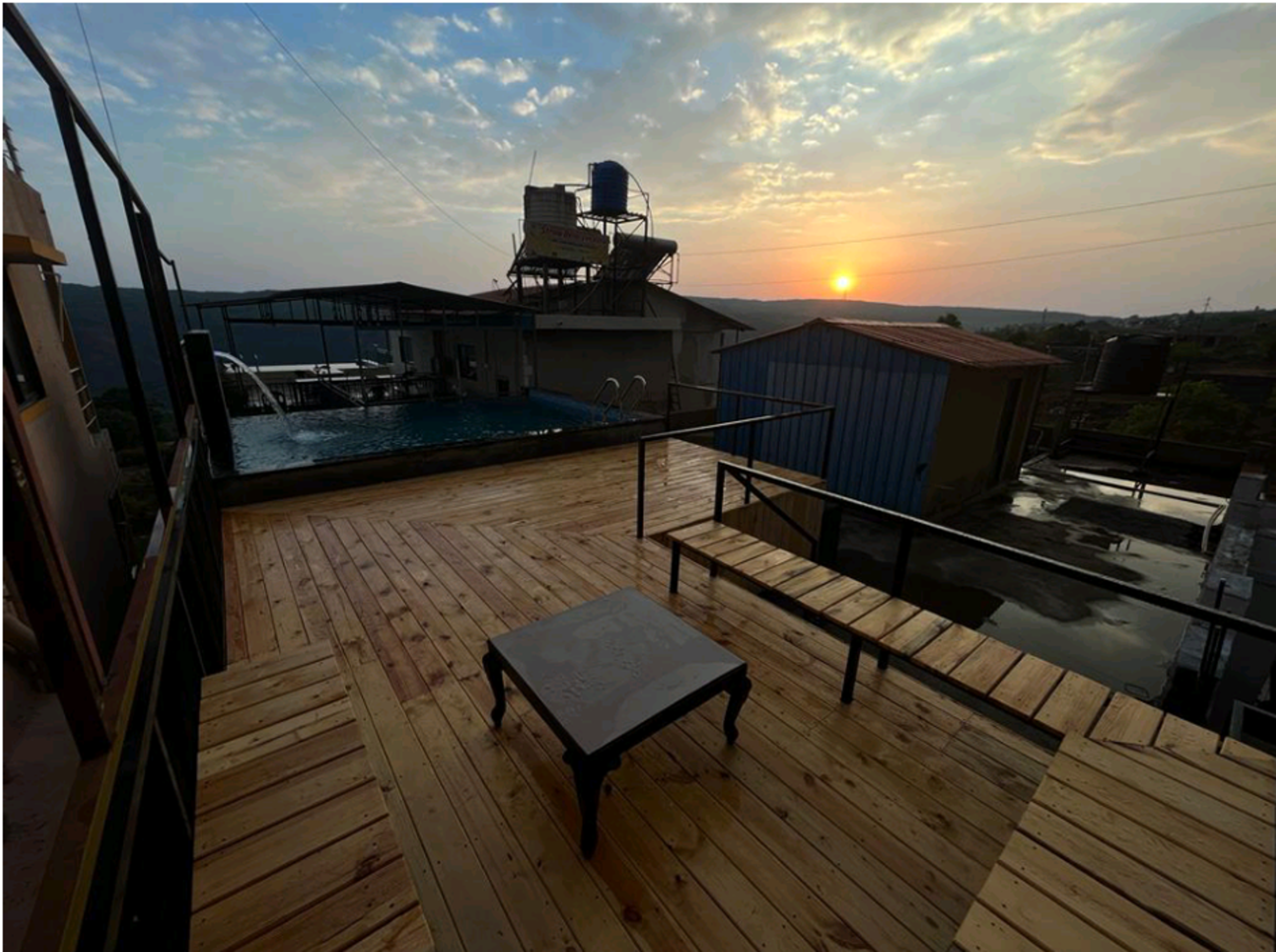
The slower afternoon — swimming, lying in the sun, eating lunch at the villa with whatever the cook has prepared — is also a specific kind of Mahabaleshwar experience. The viewpoints and the fort are extraordinary. The private pool on a hillside at 1,350 metres, with valley views visible over the garden wall, is not inferior to them. It is a different kind of extraordinary.
Panchgani and Table Land
If the group has energy after the morning at Pratapgad, the afternoon drive to Panchgani is worth making. The 19-kilometre road from Mahabaleshwar descends slightly from the main plateau and passes through strawberry farm territory — in season, the fields on both sides are planted in neat rows and the fruit is visible from the car window.
Table Land in Panchgani is Asia's second-largest volcanic plateau — a flat open expanse at 1,334 metres with views in multiple directions. The horse riding here takes you across the plateau with valley drops on both sides visible simultaneously. The open character of the terrain — no forest closing in, just wide sky and the plateau edge and the valley far below — produces a different feeling from the forest-lined Mahabaleshwar viewpoints. More exposed, more elemental.
If Panchgani feels like too much for Day 2 after the fort, save Table Land for Day 3 and use the afternoon instead for Mapro Garden and Venna Lake, both described below.
Mapro Garden
Mapro Garden, 3 kilometres from Mahabaleshwar town on the Panchgani road, is one of those places that every visitor mentions and few visitors properly experience. The crowds on weekends — particularly from December through February — can make the restaurant queue 30 to 45 minutes long and the seating area genuinely difficult to navigate. Go anyway. Go early if possible.
The sandwich is the first recommendation. A full Mapro sandwich — loaded, with all the garden's components — is large enough for three to four people. Order one before you think you need one, because the sharing format makes it the most enjoyable thing on the menu for groups. The pizza, with its strawberry-based sauce that sounds wrong and is not, is the polarising choice that almost everyone ends up finishing completely. The brownie is dense and real. The strawberry with cream — fresh farm strawberries, thick cold cream — is the benchmark against which every other strawberry dessert in your life will subsequently be measured.
The milkshakes are made from actual fruit. The sharbats — rose, lime, passion fruit — are cold and slightly sweet and particularly good on a warm afternoon. The jelly preparations are simpler than they sound. The chocolate range from the on-site shop is worth buying in quantity as gifts — it travels without issue and has improved considerably over the years.
Buy from the shop before leaving. The Mapro jam (Classic strawberry), the mulberry syrup, the strawberry crush — these are the products that are worth bringing home. They are the same products available in the main market but buying here means buying from the source, with full product range and freshness.
Venna Lake
Venna Lake in the late afternoon is a different place from the midday tourist destination most people encounter. The crowd has thinned. The light is turning warm. The lake surface catches the late sun in a way that makes even a short boat ride feel significant.
Rowboats for 30 minutes, pedal boats shaped like swans, motorboats for the children — the boating experience at Venna Lake is the central activity and worth doing at least once. The quiet of being on the water, with the forest on the far bank reflected in still sections of the lake, is one of those experiences that sounds unremarkable in description and feels quite good in practice.
Horse riding at Venna Lake deserves its own mention. The handlers here know their animals deeply and introduce them accordingly — Sona the golden mare, Badal the dark brown stocky one, Bijli with her slightly faster pace. The horses used for children are the steadiest and most patient in the stable. The celebrity-inspired names that some of the horses carry — names borrowed from film stars and cricketers — are a detail that makes the handlers laugh when you notice them. Ask. The explanation is always more interesting than the name.
The lakeside food stalls after the boating: makka patties in their spiced corn-patty-in-a-bun format, makka frankies for the hungrier members of the group, makka pakoda for sharing while walking. Corn at every register, every preparation slightly different, all of them better than they need to be.
Final Market Walk
End the evening with one more pass through the main market. The gola carts are operating. Spiral potato stalls — thin-sliced potato on a skewer, deep fried crisp and dusted with spice — are the evening snack that no one plans to eat and everyone ends up eating. Maggi from the small stalls near the market edge, made properly with extra masala and topped with grated processed cheese, is a hill-station comfort food that has nothing to prove and needs none. The malai gola again, because twice in two days at Mahabaleshwar is not excessive.
The market walk in the evening is the correct way to end any Mahabaleshwar day. The pace is slow. The air is cold. The lights are warm. The collective mood of families and couples and groups all moving through the same narrow street in the same unhurried direction produces something that can only be described as a hill-station feeling — specific, temporary, not available anywhere else.
Practical Tips and Timing Advice
The single most important practical advice for a Mahabaleshwar itinerary is this: leave the villa earlier than you think you need to. Every experience in this guide — Wilson Point, Nana's Chana, Panchganga Temple in the quiet, the early morning market — is specifically better before 10 AM and specifically crowded after it.
Carry cash from the city. ATMs in Mahabaleshwar town function but queue lengths on peak weekends are substantial. Many viewpoint entry booths, roadside vendors, and smaller market stalls do not accept digital payments.
Pack layers regardless of season. Evenings at 1,350 metres cool down faster than most visitors from the coast or the Deccan expect, including in April and May. A jacket is not optional between October and February — it is genuinely necessary.
For seasonal timing: October through February is the most complete Mahabaleshwar experience. Strawberries are in season from December through March. The fog is most dramatic from October through January. The viewpoints are clearest in October and November after the monsoon has washed the air clean. Summer (April to May) is warmer but still pleasant by hill-station standards and the malai gola and ice cream experiences come into their own. Monsoon (June to September) closes some viewpoints and changes the character of the hill station entirely — the waterfalls run, the landscape saturates to an impossible green, and the experience shifts from sightseeing to immersion.
For families: the activities that work universally are Wilson Point sunrise (for children old enough to understand what they are seeing), Mapro Garden (everyone, always), Venna Lake boating and horse riding, and the evening market. For groups: the villa bonfire area and BBQ, arranged through the caretaker, become the anchor of the trip in ways that no restaurant can replicate.
For villa-specific advice: tell the cook your preferences in advance. Brief the caretaker about any early departures — the Wilson Point drive, the Pratapgad day — so arrangements can be made the evening before. Ask the caretaker which vendors are operating on the days you plan to visit. A good caretaker knows the hill station's rhythms better than any travel guide.
Looking for a villa that works as a proper base for this itinerary? Browse the Mahabaleshwar Villa Stays collection — valley-view properties near Wilson Point, Mapro Garden, and the Panchgani road, with professional cook, private pool, and bonfire setup. Book directly via WhatsApp for the best rates.
Conclusion: Mahabaleshwar Beyond the Checkboxes
Mahabaleshwar is a hill station that has been visited by millions of people and genuinely experienced by far fewer. The difference is not about how much you see — it is about how present you are for what you see.
The sunrise at Wilson Point is worth the 4:45 AM alarm, but only if you stay long enough for the light to change. The Panchganga Temple is worth the 6-kilometre drive to Old Mahabaleshwar, but only if you sit long enough for the noise of the day to fall away. Pratapgad Fort is worth the 500 steps, but only if you take the guide who will tell you what those steps meant to the people who first climbed them.
The market, the gola, the makka patties, the jamun shot at Wilson Point, the silence before sunrise, the horse that walks slowly enough for you to look at the lake — these are not supporting acts to the viewpoint photographs. They are the trip.
Mahabaleshwar rewards the visitor who approaches it as a place rather than a list. The villa gives you the base to do that — to come back when you want, to leave when the light is right, to eat when you are hungry rather than when the restaurant schedule permits. It is the correct format for this hill station and for this kind of travel.
Go slowly. Eat the chana before it runs out. Watch the fog until it is gone. Stay for the evening market even when you are tired. Mahabaleshwar is not the kind of place that gives itself to people who are already thinking about what comes next.
Ready to plan your Mahabaleshwar trip the right way? Browse private pool villas across the hill station — from 3 BHK to 8 BHK, with cook service, valley views, and caretaker arrangements for early morning departures. Book via WhatsApp and let us help you put together the itinerary that actually works.
Need a villa base for this trip?
The best travel blogs work when they point to a real booking decision. If this article helped you plan the route, match it with the right villa category before you finalize dates.