Mahabaleshwar Market Guide: What to Buy, Where to Find It, and What to Skip
The Main Bazaar in Mahabaleshwar is chaotic, colourful, and full of things worth buying — and quite a few that aren't. This local market guide covers where to find the best strawberry products, genuine honey, fresh chikki, mulberry wine, and what prices to actually expect.
About the author
Aarav Chitale
Adventure travel writer
Writes about activity-based travel, viewpoint photography, and outdoor experiences in Mahabaleshwar.
Quick take
This guide is written for travelers planning a Mahabaleshwar trip around villas, food, viewpoints, and seasonal timing. Use the table of contents to jump between the sections that matter most.
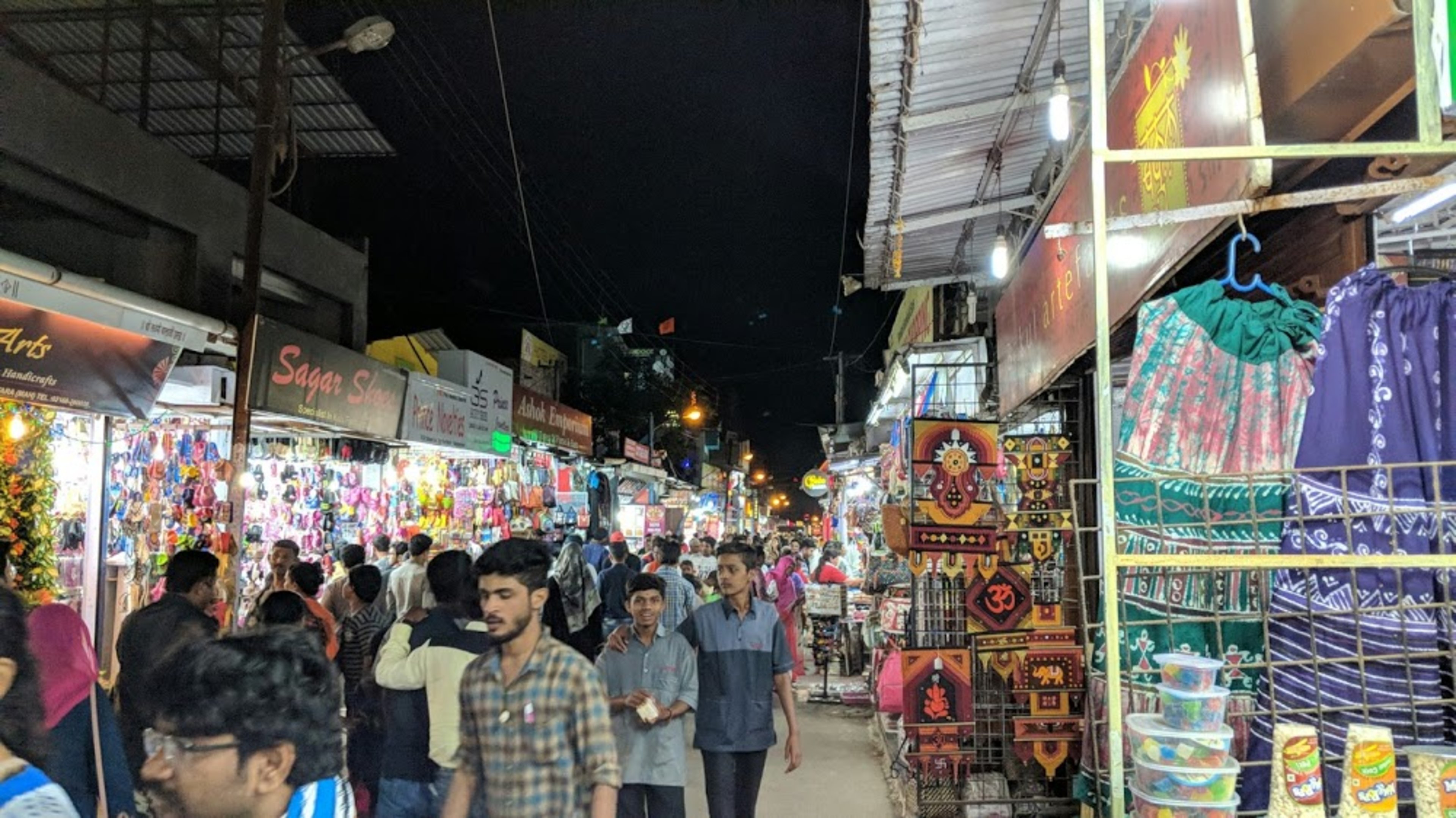
The Main Bazaar in Mahabaleshwar is one of those markets that defies easy description. It is 500 metres of shops and stalls and push-cart vendors and roasting corn smoke and strawberry smell and someone always calling your name from a doorway even though they have never met you. First-time visitors either love it immediately or walk its full length at pace hoping it opens onto something calmer. It doesn't. The market is the destination.
Having navigated this bazaar across different seasons and different crowds for years, the information that actually matters has become clear: which vendors to trust, which prices are tourist-inflated, where the good honey comes from, what travels home well, and which products are not worth the shelf space. Here is the honest version.
Understanding the Market Layout
Mahabaleshwar Main Bazaar is essentially one long street — roughly 500 metres from the western entry near the highway to the quieter eastern end where the market transitions into local grocery shops and residential lanes. Two hundred stalls give or take, depending on season and day of week.
The market breaks into three informal sections:
Western Entry Section
The first stretch you encounter from the main highway. Heavy on souvenir items, branded Mapro products in tourist-facing packaging, synthetic woollens, and toy stalls. This section is the highest-margin part of the market for vendors — prices here are calibrated to what a traveller who arrived an hour ago is willing to pay. The strawberry products are genuinely available here, but you will pay slightly more than necessary.
Middle Section
The heart of the market and the part worth spending time in. Fresh produce vendors, genuine chikki sellers, local honey stalls, fruit carts with punnets of Camarosa and Winter Dawn strawberries side by side, bhutta stalls using coal fires, malai gola carts, and the food stalls that actually get the local trade. This is where the market earns its reputation.
Eastern Section and Side Lanes
Local grocery shops, kitchen items, pulses, and the part of the bazaar that serves the hill station's resident population rather than its visitors. Less immediately photogenic, but useful for understanding what prices actually look like when the tourist premium is removed. Also where you're more likely to find tribal honey sellers who come down from the Sahyadri villages on market days.
What to Buy and What to Pay
Fresh Strawberries
In season — January through mid-March is the reliable window, though early November sometimes brings the first fruit — fresh strawberries are the main event. They are sold by the punnet (flat baskets holding roughly 250–500 grams) and by weight for larger quantities.
Two varieties you will encounter most often: Camarosa is the dominant commercial cultivar — large, visually striking, firm, and consistently available. Winter Dawn and Festival varieties are smaller, a little more tart, and preferred by most people who have eaten Mahabaleshwar strawberries more than twice. Locals buy the smaller varieties when they can find them. They're not always visible; ask the vendor what they have beyond the front row.
Reasonable prices: ₹60–100 per punnet for standard Camarosa, up to ₹120–150 for large premium berries. Don't pay more than ₹150 without a specific reason. If the opening quote is ₹200, walk one stall over and ask again.
The freshest strawberries come in on early mornings — vendors restock from farm runs before 9 AM. By mid-afternoon, the bottom layers of most punnets have softened. Buy in the morning if you're eating them same-day; afternoon purchases are fine for cooking or jam-making.
Chikki
Chikki — peanut and jaggery brittle — is one of the market's most reliable products and one of its best gifts. The version sold here, made fresh in small batches, has a different texture from anything sold at airports or railway stations: genuinely brittle, balanced sweetness, a proper roasted peanut flavour that the factory variety consistently fails to replicate.
Look for stalls where you can see the product being made — the mixture poured onto a marble slab, levelled with a wooden roller, cut while still warm. Several stalls in the middle market section operate this way. Watch for a small crowd usually indicates the right stall.
Varieties worth trying: plain peanut (the definitive version), sesame chikki (nuttier, slightly softer), coconut chikki (good if fresh, mediocre if it has been sitting). Cashew chikki exists and is expensive; it is not obviously better than the peanut version at twice the price. Mixed dry fruit chikki makes an impressive gift box item.
Buy the plain peanut variety first, taste it, then commit to quantities.
Local Honey
This is the category that requires the most attention. There is a significant quantity of labelled, attractively packaged honey sold in the western section of the market. Some of it is processed, some diluted, some imported and repackaged. The attractive label and the tourist-facing positioning are not quality signals.
The honey worth finding is the tribal honey from the Satara-Koyna forest belt — raw, unprocessed, variable in colour and texture depending on which flowers the bees worked, intensely aromatic in a way that processed honey is not. These vendors sometimes operate from the eastern lanes or set up in the middle section on specific days. The honey is typically sold in recycled bottles or plain plastic containers without labels. This is the opposite of reassuring-looking, and it is the correct signal.
Ask your villa caretaker the evening before you plan to shop. A good caretaker will know which stall is operating that day, what day the tribal sellers typically come down, and whether the honey being sold near the main entrance is worth the price being asked. This intelligence is more valuable than any market map.
Mapro Products
Mapro Garden is the source of Maharashtra's most recognisable processed fruit products — strawberry jam, mulberry syrup, strawberry crush, fruit ketchup, chocolate ranges, and a dozen variants that fill the middle shelves of every stall in the market.
Are Mapro products at the main bazaar cheaper than at Mapro Garden itself? Occasionally, marginally. The selection at Mapro Garden is larger and the freshness is more reliably tracked. For most people, buying at the Garden itself makes more sense — you get the full range, the farm context, and the quality assurance of buying from the producer directly. If you are short on time and the market is your only stop, the Mapro products here are the same goods.
Products genuinely worth buying as gifts: strawberry jam (Classic variety travels best), strawberry crush, mulberry syrup, and the dark chocolate range which has improved considerably in recent years. Skip novelty items — strawberry-flavoured chips and similar products are tourist-targeting and not representative of what Mapro does well.
Mulberry Wine and Local Fruit Spirits
Multiple stalls in the market sell mulberry wine in hand-labelled bottles. The quality range is wide. At the good end, you get a genuinely fermented fruit wine — tart, deeply purple, with a character that is distinctly different from grape wine but interesting in its own right. At the other end, you get sweetened mulberry juice with negligible alcohol content and a label that says wine.
The honest filter: ask the seller when it was made, by whom, and where. A vendor who can answer these questions specifically — naming a small local producer, giving a rough production date — is probably selling the real thing. A vendor who gestures vaguely and says "local only" is not a useful reference.
Buy one bottle to try rather than a case. If it is good, you will know by the next morning and can return for more if you have room in the car.
If you're staying in a villa in Mahabaleshwar, your caretaker is one of the best market guides available. Browse Mahabaleshwar Villa Stays and find properties with attentive caretaker service who know the local market, the seasonal vendors, and which stalls are worth your time.
Woollens and Shawls
The western and middle sections of the market have significant winter clothing stalls from October through February — shawls, jackets, Kashmiri woollens, and locally made blankets. Quality is inconsistent and pricing is negotiation-based.
Kashmiri shawl vendors are experienced negotiators and opening prices can be reduced significantly with patience and willingness to walk. Handle the material properly — genuine pashmina has a specific softness and warmth-to-weight ratio that acrylic blends don't replicate, and the price should reflect that difference. If a pashmina shawl is offered at ₹300, it is not pashmina.
For something more regionally specific, look for stalls carrying traditional Maharashtrian textiles — Paithani sarees, Kolhapuri footwear, and the occasional handloom piece. These are harder to find but more representative of the region than the generic woollen market.
Where to Eat Around the Market
The Bhutta Stalls
Bhutta — coal-roasted corn — is available throughout the market and is one of the most reliable eating decisions you can make in Mahabaleshwar. The vendors use live coal fires and rub the corn with cut lime, black salt, and red chilli. It costs ₹20–30 per cob. It is not lunch but it functions as a continuous background snack that makes the market walk considerably more pleasant.
Makka Patties and Makka Frankie
Look for the stalls with the longest queue in the middle market section. The popular ones are selling Makka Patties — a spiced corn patty served in a small bread bun with chutneys — or the rolled version, the Makka Frankie, which is the same filling in a roti with salad and sauces. Both are filling, both are good, both are better than they sound. Queue for the busy stall; the queue moves and the indication is reliable.
Malai Gola Carts
The malai gola vendors position themselves near the market's middle section and near Venna Lake. The format: crushed ice, drenched in thick sweet cream, finished with strawberry or mulberry or rose syrup. In summer, this is the best ₹40 you will spend. In winter, it is still good — the cream has a richness that makes it worthwhile even when you are not hot. Check that the cream is thick before committing; watery cream means the vendor is stretching it.
Nana's Chana
Not technically in the main bazaar — the stall is in Old Mahabaleshwar near the bus stand area, roughly 6 km from the main market — but worth planning your morning around. An elderly man who has been slow-cooking white chickpea in a dark, intensely spiced masala since early morning, selling it until it runs out which is usually by 10:30–11 AM. Go early. Go on a weekday if possible. This is the kind of food that locals mention without prompting and tourists almost never find.
What to Skip
Strawberries in tourist-facing branded packaging with a bow or gift box — same fruit, substantially higher price. Three stalls later, the identical fruit is in a plain punnet at half the cost.
Labelled 'organic' honey at premium prices from vendors who cannot tell you the source. The word organic on a hand-applied sticker in a market context means nothing.
Factory-made chikki in cellophane wrappers — available everywhere including airports and railway stations. The market version is worth buying only because it is made fresh on-site, which the cellophane version is not.
Pre-cut strawberry cream cups from the front of the market stalls. The cream-to-strawberry ratio is usually wrong and the cream has been sitting out. Go to Mapro Garden for the definitive version or ask your villa cook to prepare it fresh from market strawberries — the cook-prepared version with good local cream is noticeably better than anything sold on the street.
Market Timings and Crowd Management
The market operates daily from approximately 8 AM to 9 PM, with the fresh produce vendors setting up from 7:30 AM. End-of-road shops sometimes open late and close early.
Best time to shop: weekday mornings before 10 AM. Prices are at their most negotiable, produce is freshest, vendors are unhurried, and the physical experience of moving through the market is not combative.
Worst time to shop: Saturday and Sunday afternoons between noon and 5 PM, particularly during October–February peak season. Movement through the market at these times is slow, vendor attention is divided, and the whole experience is tiring in a way that is easily avoided by adjusting your timing by a few hours.
Parking near the market fills by 10 AM on weekends. The designated parking areas on the outskirts of the bazaar are the best option; walking the last 5 minutes is preferable to waiting 20 minutes for a closer spot.
What Travels Well Going Home
Mapro jams and syrups travel without issue — glass bottles are well-sealed and the drive from Mahabaleshwar to Pune is smooth enough that breakage is rare if packed in a bag with some clothing around them.
Chikki stays fresh for a week to ten days and longer if sealed. It does not require refrigeration.
Fresh strawberries are the difficult one. One to two days refrigerated is the realistic shelf life. An overnight drive to Mumbai or a 3-hour drive to Pune is manageable if the strawberries were bought in the morning and kept cool. Do not expect them to survive a hot car for four hours without consequence.
Local honey in a sealed jar travels without any issue and keeps indefinitely.
Planning a family trip to Mahabaleshwar? Our family villas include caretaker service and some include professional cook arrangements — making it easy to bring fresh market strawberries back for a proper cream-and-strawberry breakfast at the villa. Browse family villas on Mahabaleshwar Villa Stays.
Need a villa base for this trip?
The best travel blogs work when they point to a real booking decision. If this article helped you plan the route, match it with the right villa category before you finalize dates.