Horse Riding in Mahabaleshwar: The Honest, Human, Wonderful Story of It
Horse riding in Mahabaleshwar is not just a tourist activity — it is a tradition woven into the hill station's DNA. This is the real guide: horse names, handler conversations, sunset rides, monsoon trails, actual pricing, and why it stays with you long after you have left.
About the author
Kavita Shinde
Travel planning writer
Covers itinerary building, short stays, and practical visitor guidance.
Quick take
This guide is written for travelers planning a Mahabaleshwar trip around villas, food, viewpoints, and seasonal timing. Use the table of contents to jump between the sections that matter most.
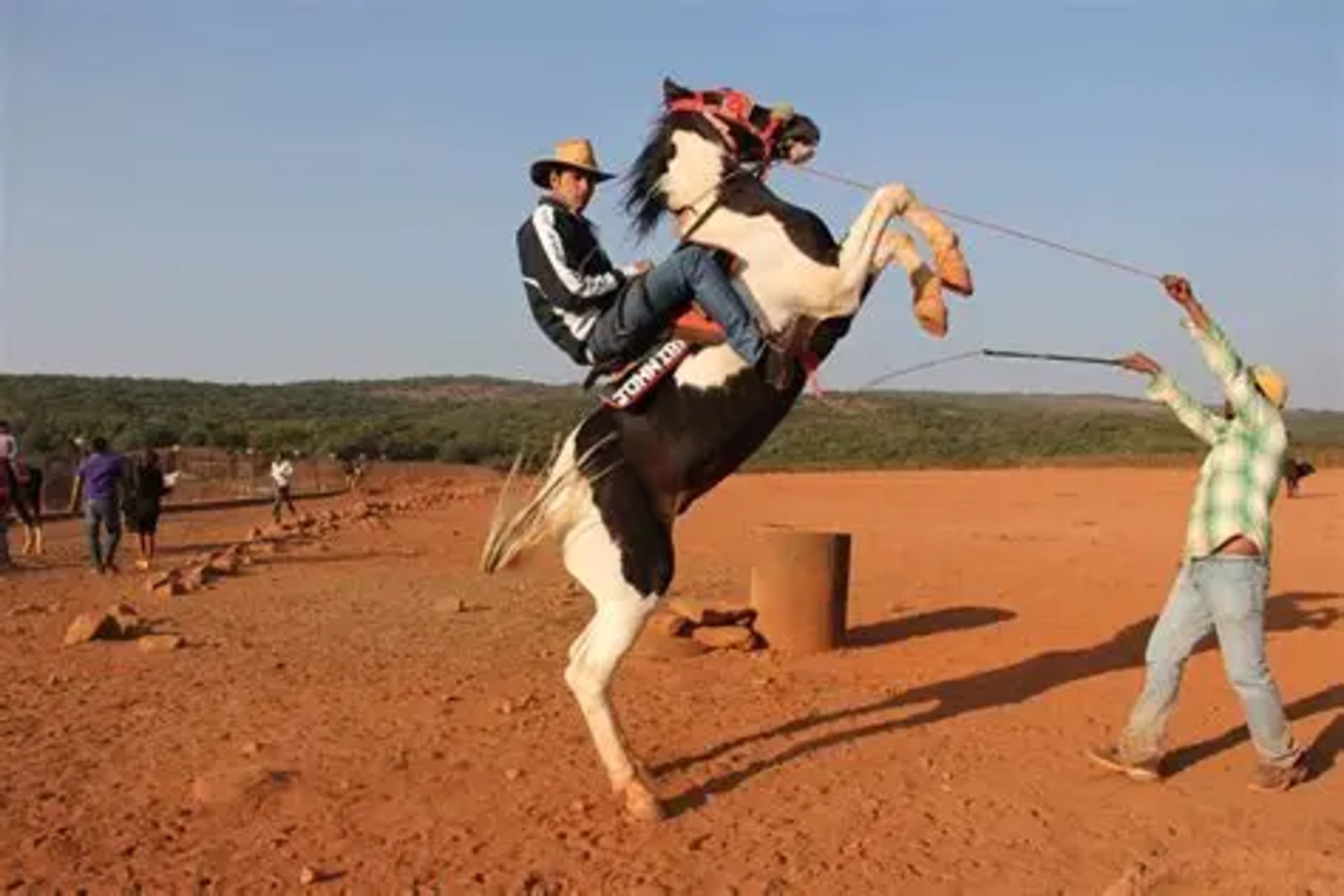
The horse's name was Shera. He was a brown-grey Kathiawari with a slightly impatient energy — the kind of horse that clearly understood that tourists are temporary and trail routines are permanent. His handler, a man named Ganesh who had been working at Venna Lake since before many of the tourists visiting today were born, introduced us in the way you introduce two parties with unequal stakes in the meeting: briskly, practically, with the quiet confidence of someone who knows exactly how this goes.
I have ridden horses in Mahabaleshwar at least eight times across different visits and I have never grown indifferent to it. Not because riding here is technically impressive — it isn't, it is a hill station tourist trail, not a riding academy — but because the human story around the horses is one of the most unexpectedly rich things this place contains. The handlers, the horses, the negotiation, the children who scream and then fall silent in wonder, the sunset light on the lake as Shera carried me in a slow circle — there is something genuinely alive in it. This is the full story.
The History of Horses in Mahabaleshwar
Horses have been part of Mahabaleshwar's tourism infrastructure since the colonial era. When the British established the hill station in the 1820s and 1830s as a summer retreat from the Pune and Bombay heat, horses were the primary mode of transport on the plateau. Roads were insufficient for carriages, the terrain was steep, and the distances between bungalows and viewpoints were real.
The horse culture here did not disappear when roads improved and cars arrived. It transformed instead — from practical transport to tourism, but with a continuity of practice. Many of the handler families working at Venna Lake and the various viewpoints today are second or third generation. Ganesh's father worked these trails. His own children sometimes help at weekends during school holidays. The knowledge — which paths are slippery after rain, which horses spook at motorcycles, how long a tourist needs before they relax in the saddle — is inherited.
The horses themselves are typically Kathiawari or Marwari stock, both breeds native to Rajasthan and Gujarat with high heat tolerance, sure-footedness on uneven terrain, and a compact build suited to mountain work. They are small by European or American standards but strongly built and reliable on the Mahabaleshwar trails, some of which would give a larger horse real difficulty.
The Horse Riding Locations
Venna Lake: The Most Iconic
Venna Lake is where most people have their first Mahabaleshwar horse riding experience. The lake perimeter road provides a clear trail with enough variety — flat stretches, gentle rises, a section near the water — to feel like a real ride without technical challenge.
Horse rides here operate from early morning until around 6 to 6:30 PM when the light fails. The morning rides, roughly 7 to 9 AM, are the least crowded and the most peaceful. The lake at that hour carries mist from the night before; the light is diffuse and golden; the horse's breath makes small clouds in the cool air. By 11 AM the lakeside is busy and the rides are more functional — handlers working efficiently through a queue rather than lingering in the atmosphere.
The afternoon ride, from 4 PM onwards, has a different quality again. The light turns warm, the crowd has passed its midday peak, and the lake surface catches the late sun in a way that makes even a short ride feel significant. This is the time I personally prefer for Venna Lake horse riding. There is a gentleness to the late afternoon here that the midday noise does not allow.
Horse names you will encounter: Shera, Badal (cloud), Bijli (lightning), Raju, Sona (gold), Kali, Motiya. Each handler knows their animals completely — which ones are patient with nervous riders, which ones move faster than their appearance suggests, which ones are good with children.
Kate's Point: The Ridge Ride
Horse riding at Kate's Point is a different proposition. The terrain here is a ridge path with the valley visible on both sides in places — not technical riding, but psychologically more engaging because the landscape is more dramatic. The horses here tend to be the more sure-footed ones; the handlers know the path intimately.
The rides at Kate's Point typically go along the ridge for fifteen to twenty minutes. The view of the Krishna Valley and the Dhom Dam reservoir from horseback on this ridge is something that photographs well and feels even better in person. Arrive at Kate's Point specifically for the 4 to 5 PM window when the light on the valley is at its best.
Arthur's Seat: Short but Memorable
Horse rides at Arthur's Seat are shorter — the terrain is more confined — but the backdrop is dramatic. Arthur's Seat's sheer drop views make even a stationary horse photograph compelling. The rides here are typically ten to fifteen minutes and worth doing at least once for the scale of the setting.
Table Land, Panchgani: The Widest Canvas
For the most visually open horse riding experience in the Mahabaleshwar-Panchgani belt, Table Land wins. The plateau is flat and wide and the horses move across it at a reasonable pace with 270-degree views of the surrounding valley system. On a clear post-monsoon morning, this is the single best horse riding experience available in the region.
The Negotiation: An Honest Guide
Horse riding pricing in Mahabaleshwar is not fixed. It is negotiated every time, as part of an interaction that both sides — handler and tourist — understand as a ritual with predictable stages. The handler quotes a price. The tourist expresses concern. A lower number is mentioned. There is brief theatrical consideration. A middle number is agreed. Both parties understand this is how it works; neither feels aggrieved.
What to actually pay in 2025–26: a short ride of ten to fifteen minutes at Venna Lake or a similar circuit is ₹150 to ₹200. A medium ride of twenty to twenty-five minutes with some terrain variety is ₹200 to ₹280. Longer rides at Kate's Point or Table Land run ₹300 to ₹400.
The initial quote you receive is typically ₹300 to ₹500 for a short ride. The negotiation usually lands it thirty to forty percent below that. Do not go below what seems reasonable — these handlers and horses are someone's livelihood, and the gulf between ₹100 and ₹150 for a fifteen-minute ride is much larger in their economy than in yours.
Agree on duration and route before mounting. Clarify whether the quoted price is per person or for a round trip. Misunderstandings here are the source of most post-ride disputes.
Venna Lake is five to ten minutes from most villas in the main Mahabaleshwar belt. Browse Mahabaleshwar Villa Stays for properties near the lake, and ask the caretaker about early morning horse riding arrangements.
The Handler Conversations
If you engage the handlers in conversation — genuinely, not just as transaction — you learn things about Mahabaleshwar that no guidebook contains.
Ganesh told me once that he can tell within the first thirty seconds of a ride whether someone has ridden before. Not from technique — tourists rarely have real technique — but from how they sit. The ones who have ridden before relax into the horse's movement. The ones who haven't try to hold themselves rigid above it, fighting the natural motion instead of moving with it. He has been watching this difference play out every day for decades.
He told me the monsoon months are his favourite, not because business is good — the rains reduce tourist numbers and make some paths impassable — but because the forest paths between the viewpoints are at their most extraordinary. The ferns along the Venna Lake trail reach shoulder height on the horses. The mud is deep in places and the horses navigate it carefully, stepping where they know the ground is solid. He said the horses learn the safe paths themselves after a season; by the second monsoon they barely need guidance on the familiar routes.
Another handler — younger, working Kate's Point, went by Santosh — showed me his phone: a photo of his horse Bijli with a garland of marigolds around her neck on the occasion of Pola, the festival honouring working animals in Maharashtra. The photo was clearly taken with affection. The relationship between these men and their horses is not sentimental in the Western way — it is practical and daily and completely real.
Children and Horses: The Best Part
I have seen it dozens of times and it never loses its power: the moment a child who was terrified of the horse thirty seconds ago goes quiet as the animal begins to walk.
The fear is always there at the start. The horse is large, much larger than anything the child has been close to before. It smells of animal and hay and something warm and biological. It moves in ways that are not predictable to a child's mind. And then it begins to walk and the child is carried, and the rhythm of it — the swaying four-beat walk of a horse moving at ease — does something to children that I have never seen replicated by any other experience.
They go quiet. They look around. Sometimes they put one hand tentatively on the mane. After five minutes, they don't want to come off.
The handlers know this dynamic perfectly. They let children settle before asking them anything. They pick the quietest, steadiest horses for nervous young riders. Sona — the golden-coloured mare at Venna Lake — was specifically recommended by Ganesh for children. He said she had a mother's patience.
Sunset Horse Rides: Do This
If you do one specific horse riding experience in Mahabaleshwar, make it the sunset ride at Venna Lake.
Leave your accommodation around 4:30 PM. Get to the lakeside by 4:45. Negotiate a twenty-five to thirty-minute ride starting around 5:00 to 5:15 PM. The timing means you will be on horseback as the light shifts from afternoon gold to the deeper amber of pre-sunset. The lake surface reflects it. The trees on the far bank darken. The handlers' voices drop naturally as the light changes — even they feel it, after all these years.
By the time you are back, the sun will be low, the vendors will be beginning to pack their stalls, and the lake will be settling into its evening quiet. Walk along the perimeter for another twenty minutes after you dismount. The transition from tourist activity to local evening life at Venna Lake after 6 PM is one of Mahabaleshwar's most honest moments.
Monsoon Riding: Muddy, Beautiful, Unforgettable
Horse riding in Mahabaleshwar during the monsoon is a different world. The paths are wet; the forest alongside them is absurdly green; the air smells of rain and earth and something sweet that might be the wild flowers opening after the first showers.
Not all handlers operate in the monsoon — rain makes some paths genuinely unsafe and tourist numbers are lower. But those who do take you through a Mahabaleshwar that the peak-season crowd never sees. The muddy paths near Venna Lake, where the horses step carefully and the forest canopy drips, have a quality that no dry-season ride can match.
If you are visiting in monsoon and want to ride, ask specifically for the forest trail options. Some handlers know routes that avoid the muddiest sections while still going through the most beautiful green corridors. The horses are comfortable in moderate mud; their handlers know when to turn back.
Safety and Practical Tips
Horse riding in Mahabaleshwar is generally safe for the standard tourist rides. The horses are accustomed to nervous beginners and the handlers maintain close control. Children under five typically ride in front of the handler rather than alone — ask if this arrangement is available for very young children.
Wear closed-toe shoes at minimum. Sandals are not appropriate around horses. Long trousers are more comfortable for riding than shorts. In monsoon, assume you will get splashed with mud.
If you want photographs taken during the ride, ask the handler to pause briefly — tip them ₹20 to ₹30 extra for a cooperative photo stop beyond the ride price. Do not feed horses without the handler's permission. Some horses have dietary sensitivities; others will expect food from every subsequent tourist and become a nuisance to manage.
Need a villa base for this trip?
The best travel blogs work when they point to a real booking decision. If this article helped you plan the route, match it with the right villa category before you finalize dates.